
ADAPTIVE MARTIAL ARTS PROGRAM
- SAN DIEGO
- INCLUSIVE
- THERAPEUTIC-INFORMED
Where Occupational Therapy Meets 50 Years of Martial Arts Experience
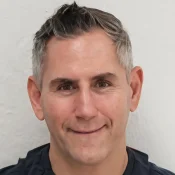
- Meet Coach T
Experience. Knowledge. Discipline. Purpose.
- Combines therapeutic principles with martial discipline
- Focuses on whole-person development
At the heart of our program is Professor Anthony Caravelli, known as “Coach T” — an Occupational Therapist, Martial Arts Master, educator, and mentor with nearly 50 years of martial arts experience and more than 30 years of professional experience in Occupational Therapy.
Coach T began his Occupational Therapy career after graduating from the Occupational Therapy program at San José State University (SJSU) in 1994. Throughout his career, he has worked with individuals across a remarkable range of ages, diagnoses, and therapeutic needs.
- Clinical Experience Includes
Mental Health
Supportive, structured participation
Neurological Rehabilitation
Stroke, TBI, spinal cord injuries
Dementia & Alzheimer's Care
Compassionate, predictable routines
Geriatric Rehabilitation
Strength, safety, independence
Physical Rehabilitation
Coordination, strength, mobility
Pediatric Occupational Therapy
Play-based skill development
For nearly five decades, martial arts has been an integral part of his life. He understands that true development is about more than physical ability — it is about building confidence, discipline, focus, coordination, resilience, independence, and the belief that you can continue to grow.
By combining the principles of Occupational Therapy and martial arts, Coach T creates a unique approach that focuses on the whole person. His goal is not simply to help people perform an exercise or complete a task, but to help them develop skills they can carry into everyday life.
Whether working with children, adults, older adults, or individuals facing physical, neurological, developmental, or mental-health challenges, Coach T believes that every person has the potential to learn, adapt, and improve.
Experience. Knowledge. Discipline. Purpose. With decades of experience in both healthcare and martial arts, Coach T brings together two worlds that share a common goal: helping people become stronger, more capable, and more independent.
- WHAT IT IS
Adaptive Martial Arts
It is a comprehensive approach to building stronger bodies, sharper minds, greater confidence, and greater independence.
Participation
Choice & engagement
Safety
Clear boundaries
Growth
Individual pace
- MISSION STATEMENT
Inclusive instruction for every child’s pace, strengths, and support needs.
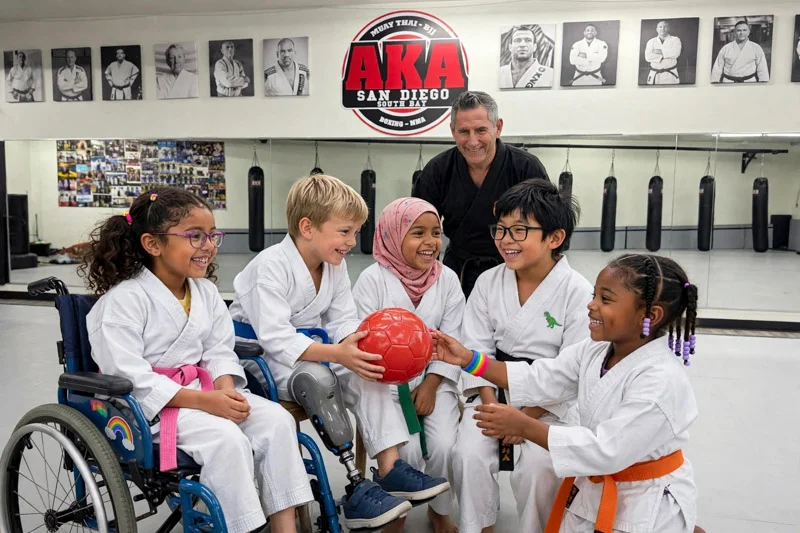
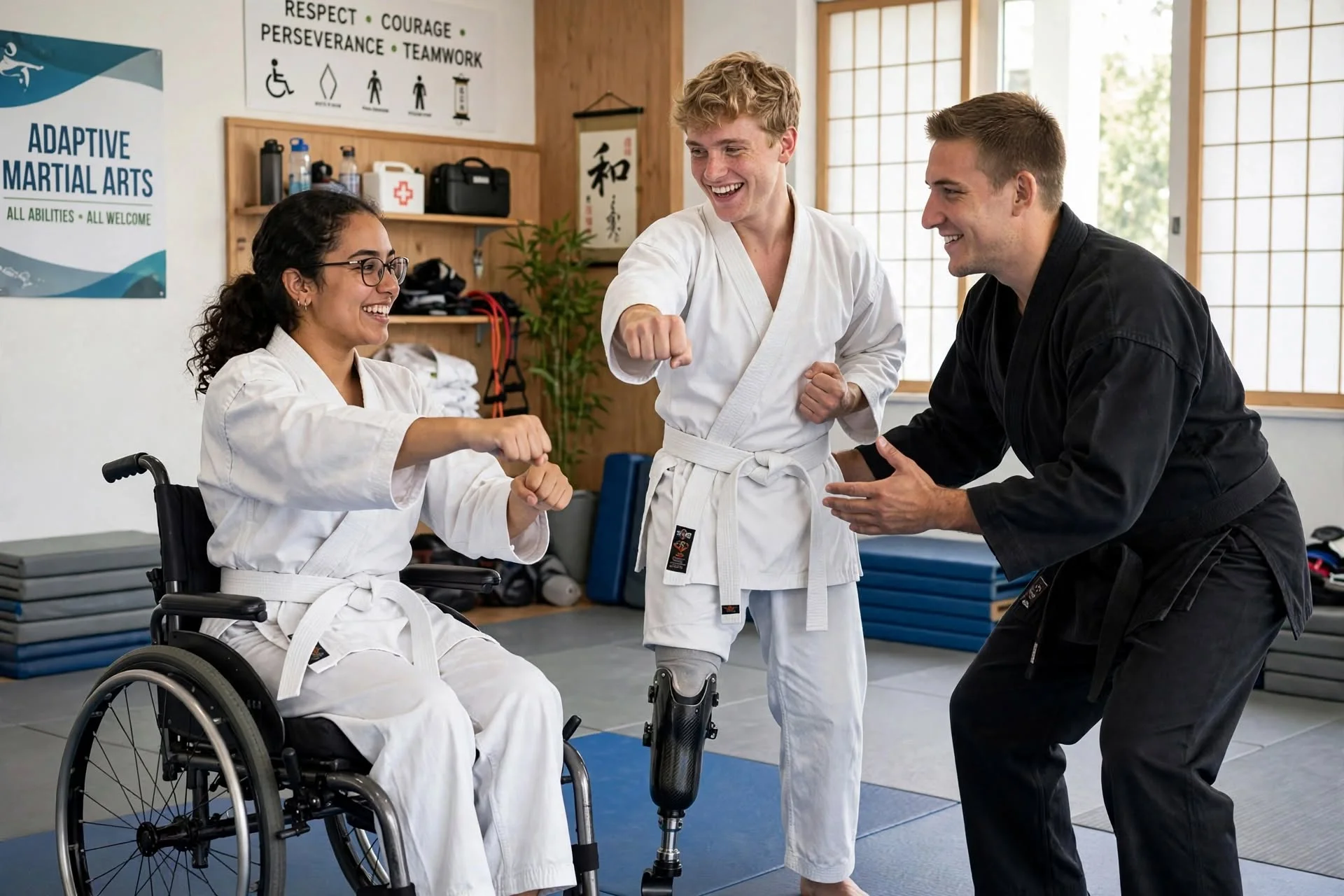
Our mission is to provide inclusive, adapted martial arts instruction that enables children with disabilities and developmental differences to participate, learn, and grow in a safe and encouraging environment. We tailor activities to each child’s abilities, interests, communication style, and support needs, recognizing that every child develops and progresses at a different pace.
Through structured, age-appropriate martial arts practice, we aim to create opportunities for children to develop physical skills such as balance, coordination, strength, and body awareness; practice focus, perseverance, and self-confidence; and build positive experiences of participation, choice, and interaction with others. We value each child’s individual progress and seek to make every class respectful, predictable, and welcoming.
Our program provides adapted martial arts instruction informed by therapeutic principles.
- BENEFITS
How Participation May Help
- Adapted
- Supported
- Individualized
Develop physical skills
- Strength, balance, coordination
- Flexibility and body awareness
- Controlled movement on the mat
Build attention & self-management
- Follow sequences step-by-step
- Pause before acting
- Practice managing frustration
Strengthen social skills
- Take turns and share space
- Communicate and cooperate
- Show respect for peers & instructors
Grow confidence & persistence
- Work toward achievable goals
- Recognize progress over time
- Experience of choice and success
Learn about personal safety
- Age-appropriate awareness
- Basic protective skills
- Clear boundaries around their use